Differential pressure indicator is also known as pressure transmitter, differential pressure alarm, filter blockage transmitter, etc.
There are many kinds of differential pressure indicator, mainly used in hydraulic filters. Its function is to give a signal or alarm when the filter element is blocked, to prompt the staff to replace or clean the filter in time.
Basic Working Principle of Pressure Indicators
The working principle of differential pressure indicator is that when the filter element is blocked, the oil pressure at the inlet and outlet of the filter will be different, resulting in a pressure difference. When the differential pressure exceeds the signal value set by the transmitter, the transmitter will send a signal according to the design requirements. If the indicator fails to give an alarm timely, the oil will be polluted due to the blockage of the filter element, which will bring great potential safety hazards to the hydraulic system.
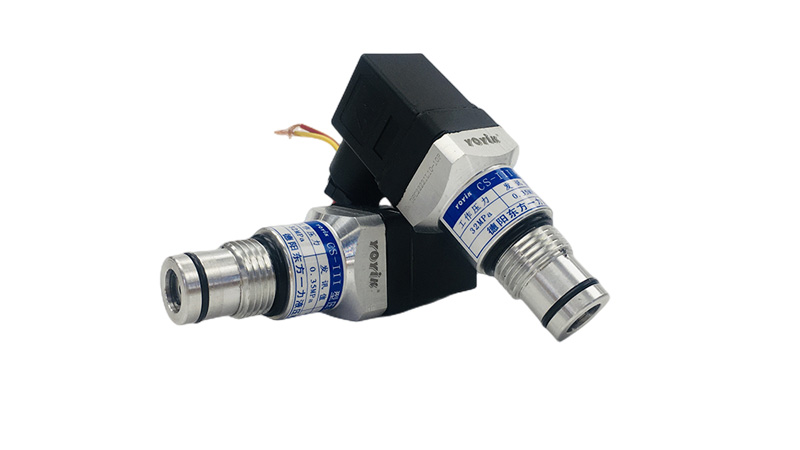
Alarming Method of Different Pressure Indicators
CS type and CS-III indicators give an alarm in the form of a switch, or cut off the control circuit related to the hydraulic system in the form of a switch.
CM-I type indicator is visual alarm. The red indicating button on the upper end of the indicator highlights to give an alarm.
CMS type and CMS-I indicator integrates electrical alarm and visual alarm, improving the reliability of the transmitter.
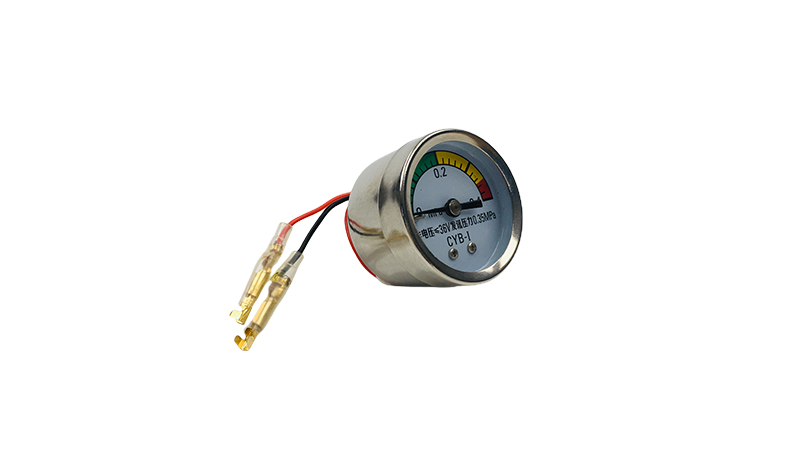
CY-I, CY-II type and CYB-I indicators switch on the indicator light or buzzer for alarm.
The differential pressure indicators is a very small component, it plays an important role in the safe operation of the hydraulic system, which cannot be ignored. Pay attention to the transmitter selection, because this product is a very small cost in the hydraulic system. It is unnecessary to threaten the safety of the entire hydraulic system in order to save extremely limited funds.