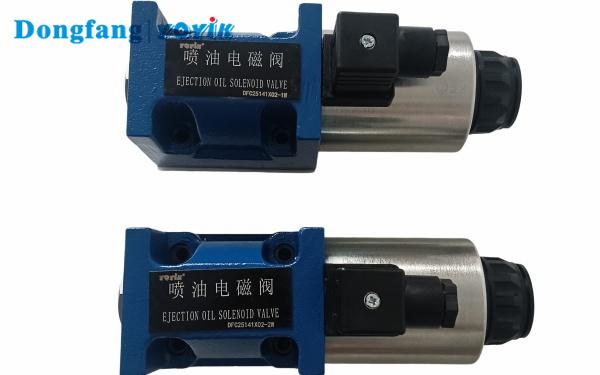
Function and Working Logic of the Steam Turbine Fuel Injection Solenoid Valve 220V
The fuel injection solenoid valve serves as the core control component of a steam turbine’s fuel injection system. It directly dictates the precision and stability of fuel injection, safeguarding the reliable and compliant operation of the generating unit.
The primary function of this component is to regulate the turn-on, turn-off, and overall state of the fuel line. It precisely cuts off and modulates the high-pressure fuel delivered from the injection pump to the nozzle, ensuring that fuel enters the combustion chamber from the nozzle with a standardized spray pattern that matches the turbine’s operating conditions.
Its operation relies on electromagnetic drive principles to achieve precision control with clear logic and high-speed response:
-
Energized State (Fuel Supply): When the solenoid valve is energized, the internal electromagnet generates a magnetic force that lifts the valve core. This opens the fuel channel between the injection pump and the nozzle, allowing high-pressure fuel to flow smoothly through the line and spray out of the nozzle to supply the combustion chamber.
-
Flow & Timing Control: By toggling between open and closed states, the solenoid valve precisely governs the timing, pattern, and flow rate of the fuel injection—making it a critical component for ensuring stable fuel delivery and accurate load adjustment in steam turbines.
DFYLSYC-2026-08-07-A