Choose of Working Condition
Normally electric components have high demands on the working condition, as they are easily affected by dust, heat, greasy dirt, moisture in the environment.
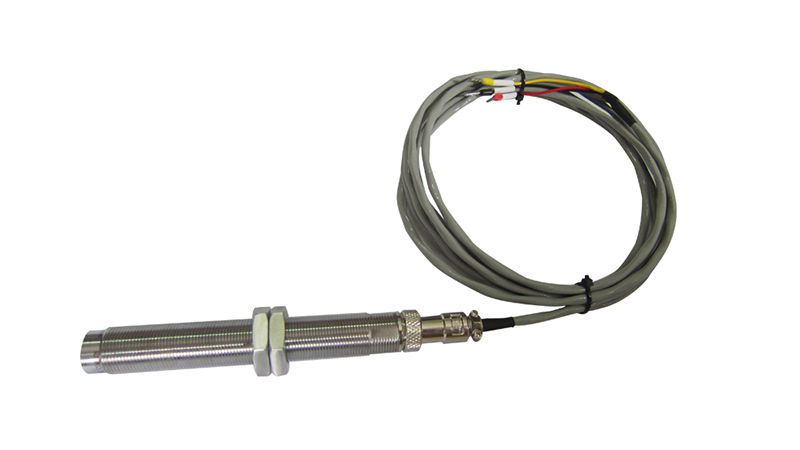
But the Rotation Speed Sensor CS-1 is different. The sensor has stainless steel shell and tightly sealed structure to protect the core. This allows the sensor has strong output signal, good anti-interference performance and corrosion resistance.
The cable is directly attached to the sensor end which can strengthen its protection. Armored cable is also optional for better application under harsh environment.
Therefore you can use your CS-1 rotation speed sensors in smoke, oil gas, water vapor and other harsh environments. Don’t need to worry about any bad working condition.
Mind the Installation Gap
When installing the speed sensor CS-1, pay attention to the clearance with the detection gear. The smaller the gap is, the greater the output voltage will be.
The recommended clearance is usually 0.5~3mm, and it is recommended to use involute gears to detect the gear tooth profile.
One more thing to remind that to keep it away from strong magnetic field and current conductor.
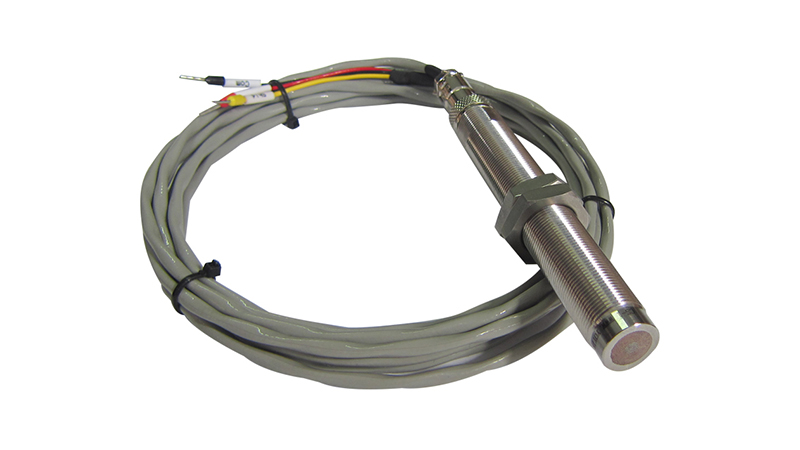
PS. Other regular rotational speed sensors used for steam turbine, water turbine and other rotary machines share the same features, such as the following types:
ZS-01
CS-1 D-065-05-01
CS-1 G-065-05-01
CS-3
SZCB-01-B01
ZS-04-75-3000
CS-3F-M16*1-L70
ZS-03
ZS-02
QBJ-CS-1
ZS-04-150-5000
CS-1 D-100-02-01